Cancer
How do cancer cells exist and grow in our bodies?
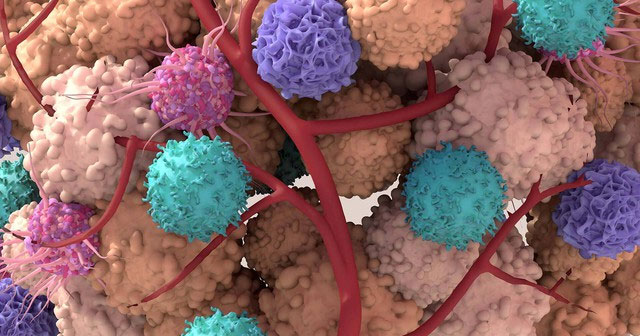
Cancer is a terrible disease that kills millions of people every year.
Browse ScienceInfo articles and explainers related to Cancer Cell.
206 published items.
Cancer is a terrible disease that kills millions of people every year.

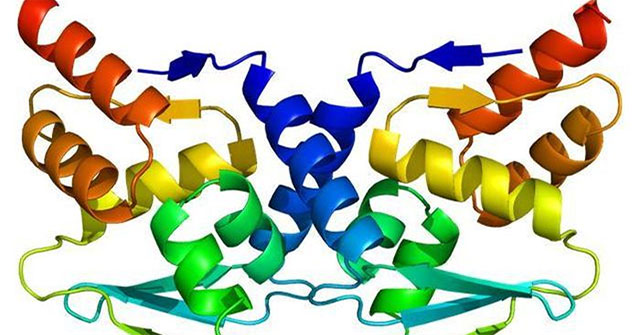
A team at Stanford has invented a strange new molecule that could lead to drugs that turn on genes and cause cancers to fight themselves.
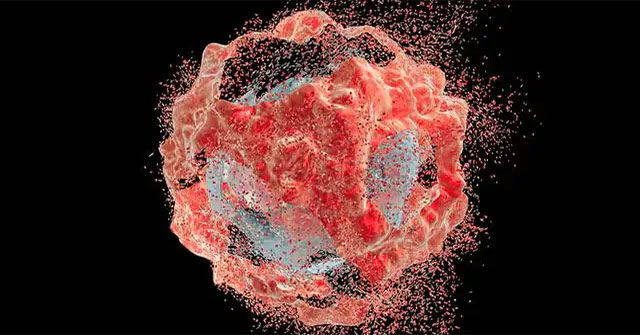
Many cancer cells are very active in the host and can continue to divide and multiply to cause untold damage.
The team from Osaka University discovered that it is possible to encase the worms in a hydrogel shell containing compounds useful as cancer drugs.

The latest research shows that primary breast cancer cells are like night owls, they spread faster through the blood when the patient sleeps.
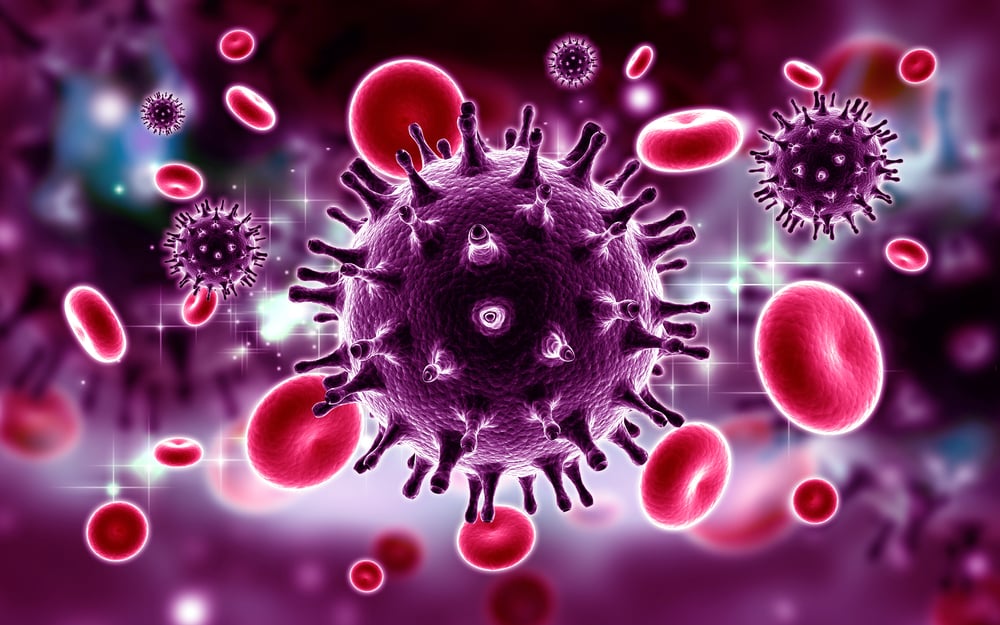
Recently, a team of experts from City of Hope Hospital in Los Angeles, California, one of the largest cancer research centers, injected the first patient with the CF33-h…
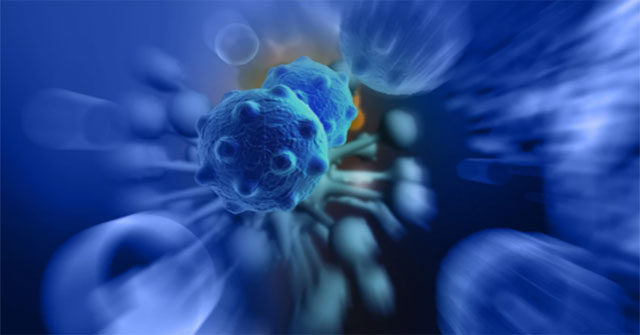
Chinese scientists found that bacteria in tumor cells helped the tumor to shift position, while promoting cell survival during tumor growth.
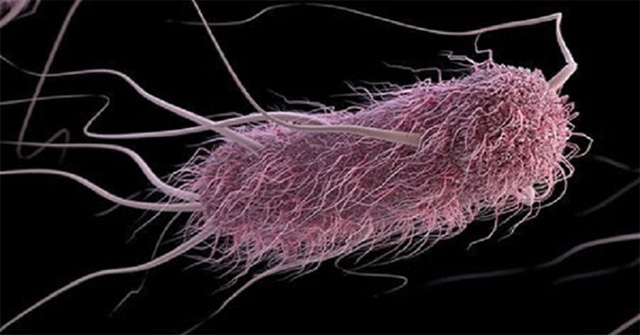
The team at Caltech modified the E. coli bacteria and stimulated it with ultrasound so that they secrete chemicals that kill cancer cells that harm healthy cells.
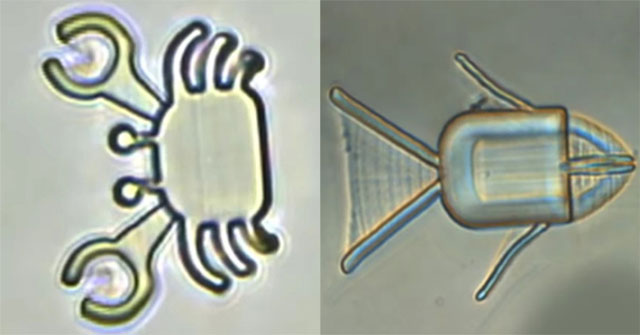
The 3D printed animal robot can move through the blood vessel, carry the drug nanoparticle and automatically eject it when it reaches its destination.
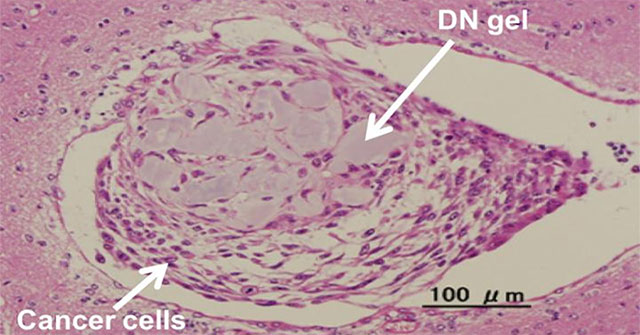
Scientists at Hokkaido University, Japan have developed a hydrogel capable of turning cancer cells back into cancer stem cells in 24 hours.

Cancer and bacteria cells behave differently when they are not affected by the Earth's gravity.
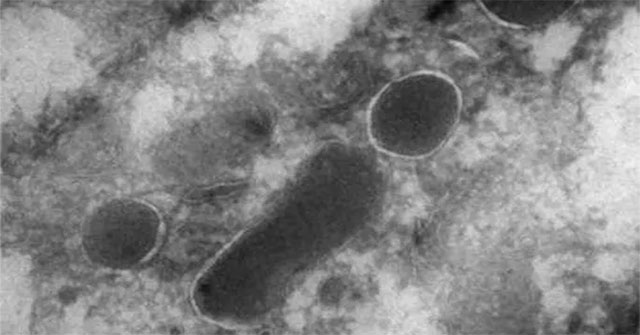
The shocking images of the Weizmann Institute of Science (Israel) about the bacteria living in cancer cells could actually pave the way for promising treatments.
Scientists have created a smallpox virus that can cure all cancers.
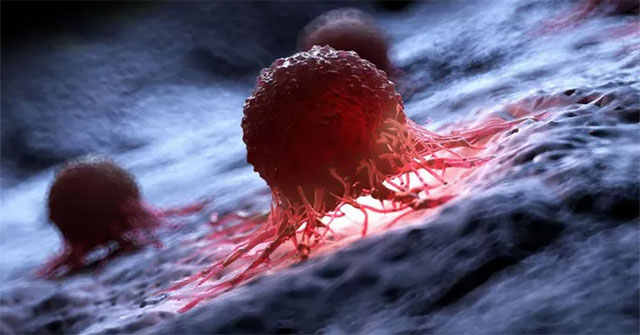
Canadian scientists have identified a frightening element in the body related to liver, brain and blood cancers that they call the dark matter of human cancer DNA.